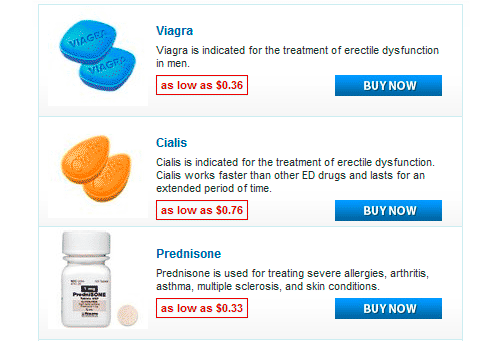

Suffering from a nasty poison ivy rash? Don’t let the itch and discomfort control your life. We offer Prednisone, a proven solution for rapid symptom relief.
Our Prednisone is FDA-approved and dispensed by licensed pharmacists. We prioritize your safety and offer convenient online ordering with quick, discreet shipping.
Reduce inflammation and itching quickly. Begin experiencing relief within days. We provide detailed instructions for safe and effective use.
Consult your doctor before starting any new medication. We encourage you to discuss Prednisone as a treatment option for your poison ivy.
Order your Prednisone today and reclaim your comfort. Click here to learn more about our safe and secure ordering process.
- Prednisone for Poison Ivy: A Detailed Guide
- Dosage and Administration
- Side Effects
- Interactions
- Contraindications
- Alternatives
- When to Seek Medical Attention
- Fast Relief from Poison Ivy Itch and Irritation
- Calamine Lotion: Your Quick Fix
- When to See a Doctor
- Understanding Prednisone’s Role in Poison Ivy Treatment
- How Prednisone Works
- Dosage and Administration
- Side Effects
- Alternative Treatments
- When to Consult a Doctor
- Dosage and Administration of Prednisone for Poison Ivy
- Potential Side Effects and Precautions
- When to Consult a Doctor Regarding Poison Ivy
- When to Consider Oral Medications
- Additional Considerations
- Comparing Prednisone to Other Poison Ivy Treatments
- Over-the-counter Options
- Natural Remedies
- Preventing Future Poison Ivy Exposure
- Identifying Poison Ivy
- Creating a Barrier
- Post-Exposure Actions
- Tools and Equipment
- Where to Safely Purchase Prednisone
- Licensed Pharmacies
- Online Pharmacies
- Avoid Unlicensed Sources
- Medication Safety
Prednisone for Poison Ivy: A Detailed Guide
Prednisone reduces inflammation and itching associated with poison ivy. Your doctor will determine the appropriate dosage based on your symptoms and medical history.
Dosage and Administration
Typical dosages range from 20-60mg daily, depending on severity. Take Prednisone exactly as prescribed. Never adjust your dosage without consulting your physician. Your doctor may recommend a tapering schedule to avoid withdrawal symptoms upon completing treatment.
Side Effects
Common side effects include increased appetite, weight gain, mood changes, and insomnia. More serious, though rare, side effects can include increased blood sugar and blood pressure. Report any unusual symptoms to your doctor immediately.
Interactions
Prednisone interacts with certain medications, including blood thinners and some diabetes medications. Inform your doctor about all medications, supplements, and herbal remedies you are taking.
Contraindications
Prednisone is not suitable for everyone. Individuals with certain medical conditions, such as fungal infections or uncontrolled high blood pressure, should not take Prednisone. Your doctor will conduct a thorough assessment to determine your suitability.
Alternatives
Other treatments for poison ivy include topical corticosteroids, calamine lotion, and oatmeal baths. Your doctor can discuss alternative options if Prednisone isn’t appropriate or effective for you.
When to Seek Medical Attention
Seek immediate medical attention if you experience a severe allergic reaction (e.g., difficulty breathing, swelling), widespread rash, or high fever.
Fast Relief from Poison Ivy Itch and Irritation
Apply a cool compress to the affected area for 15-20 minutes to reduce swelling and itching. This simple step provides immediate comfort.
Take a lukewarm oatmeal bath. Colloidal oatmeal soothes inflamed skin. Add 1-2 cups of colloidal oatmeal to your bathwater for 15-20 minutes.
Calamine Lotion: Your Quick Fix
Calamine lotion offers fast-acting relief from itching. Apply liberally as needed, especially after bathing or showering.
Hydrocortisone cream (1%) is a readily available over-the-counter option for mild cases. Apply a thin layer to the rash several times a day.
When to See a Doctor
Seek medical attention if your rash spreads rapidly, covers a large area, or is accompanied by fever, blisters, or difficulty breathing. These are signs that require professional care.
Remember to keep the affected area clean and dry to prevent infection. Gentle washing with mild soap and water is recommended.
For persistent irritation, consider exploring alternative treatments like aloe vera gel, which has natural anti-inflammatory properties. Always follow package instructions.
Understanding Prednisone’s Role in Poison Ivy Treatment
Prednisone reduces inflammation, a key factor in poison ivy’s irritating rash. It doesn’t directly kill the plant’s oil (urushiol), but it significantly lessens the body’s reaction.
How Prednisone Works
Prednisone, a corticosteroid, suppresses the immune system’s response to urushiol, minimizing swelling, redness, itching, and blistering. This translates to quicker symptom relief and faster healing.
Dosage and Administration
A doctor determines the appropriate dosage based on the severity of your reaction. Oral prednisone is usually prescribed as a short-term treatment, often for 7-10 days. Always follow your doctor’s instructions meticulously, avoiding abrupt cessation of treatment.
Side Effects
Potential side effects include increased appetite, weight gain, insomnia, and mood changes. These are typically mild and temporary. Serious side effects are rare but require immediate medical attention. Discuss any concerns with your physician.
Alternative Treatments
Prednisone isn’t always necessary. Calamine lotion, cool compresses, and over-the-counter antihistamines can provide relief for mild cases. However, for severe reactions, prednisone offers faster, more effective control of symptoms.
When to Consult a Doctor
Seek medical help if your rash is extensive, accompanied by fever, or involves your face or genitals. Severe reactions may need more aggressive management than topical treatments allow.
Dosage and Administration of Prednisone for Poison Ivy
Prednisone dosage for poison ivy depends on the severity of your rash and your doctor’s assessment. Typical oral doses range from 20 to 60 milligrams daily, often divided into two or three doses.
Your doctor will prescribe a specific dosage and duration of treatment. Common treatment durations range from several days to a few weeks. Always follow your doctor’s instructions precisely. Never alter the dosage or discontinue the medication without consulting your physician.
Take Prednisone with food to minimize stomach upset. Drink plenty of fluids throughout the day to stay hydrated. Report any side effects, such as nausea, increased thirst, or swelling, to your healthcare provider immediately.
Remember, Prednisone is a powerful medication. Its use should be closely supervised by a medical professional. Self-treating can be dangerous. Consult your doctor before using Prednisone or any other medication for poison ivy.
This information is for guidance only and does not replace professional medical advice. Always seek the advice of your doctor or other qualified healthcare provider with any questions you may have regarding a medical condition. Never disregard professional medical advice or delay in seeking it because of something you have read online.
Potential Side Effects and Precautions
Consult your doctor before using Prednisone. This medication can cause increased blood sugar, so monitor your levels closely, especially if you have diabetes.
Prednisone may also raise your blood pressure. Regular monitoring is recommended. Inform your doctor about any existing hypertension.
Be aware of potential fluid retention. You might experience swelling in your ankles or feet. Reduce sodium intake to mitigate this.
Gastrointestinal issues, such as heartburn or stomach upset, are possible. Taking Prednisone with food can often help.
Some individuals experience insomnia or mood changes while taking Prednisone. Maintain a consistent sleep schedule and talk to your doctor if needed.
Prednisone weakens the immune system. Avoid contact with sick individuals and report any signs of infection promptly to your doctor.
| Side Effect | Recommendation |
|---|---|
| Increased Blood Sugar | Monitor blood sugar levels regularly, adjust diabetes medication as needed. |
| High Blood Pressure | Regular blood pressure checks; report any significant increases. |
| Fluid Retention | Reduce sodium intake, report significant swelling. |
| Gastrointestinal Upset | Take with food. |
| Insomnia/Mood Changes | Maintain consistent sleep; discuss with your doctor. |
| Weakened Immunity | Avoid sick individuals; report any infections. |
This information is not exhaustive. Always follow your doctor’s instructions and immediately report any concerning symptoms.
When to Consult a Doctor Regarding Poison Ivy
Seek immediate medical attention if you experience difficulty breathing or swelling of your face, lips, or throat.
Contact your doctor if your rash:
- Covers a large area of your body.
- Is severely painful or intensely itchy.
- Shows signs of infection, such as increased redness, swelling, pus, or red streaks.
- Doesn’t improve after two to three weeks of home treatment.
- Causes significant disruption to your daily activities.
When to Consider Oral Medications
Your doctor might prescribe oral steroids, such as prednisone, if your rash is extensive or doesn’t respond to other treatments. They can also prescribe other medications to manage symptoms like itching and inflammation.
Additional Considerations
- Keep the affected area clean and dry.
- Avoid scratching. This can worsen the rash and increase the risk of infection.
- Consider cool compresses or oatmeal baths to soothe the skin.
- Over-the-counter hydrocortisone cream can provide temporary relief.
Comparing Prednisone to Other Poison Ivy Treatments
Prednisone offers rapid relief from poison ivy symptoms, reducing inflammation and itching within hours. However, it’s a steroid, requiring a prescription and carrying potential side effects like increased blood sugar and mood changes. Consider its use for severe cases or when other treatments fail.
Over-the-counter Options
Calamine lotion soothes itching but doesn’t address the underlying inflammation. Hydrocortisone cream, a weaker steroid, provides localized relief, available without a prescription, but its effects are less potent than Prednisone. For mild cases, these are good first choices.
Natural Remedies
Oatmeal baths can alleviate itching. Tea tree oil, applied topically, shows promise in some studies, reducing inflammation. However, these methods require consistent use and may not work for all individuals; they are best for mild cases or as complementary therapies.
Always consult a doctor before starting any treatment, particularly for severe reactions or if symptoms persist despite treatment.
Preventing Future Poison Ivy Exposure
Wear long pants and long sleeves when hiking or gardening in areas where poison ivy grows.
Inspect your clothing and skin thoroughly after being outdoors in high-risk areas. Wash clothes immediately in hot water.
- Shower immediately after exposure to possibly affected areas.
- Wash your pets, too!
Identifying Poison Ivy
Learn to identify poison ivy’s characteristic three-leaf clusters. This is the single best preventative measure. Many resources, including field guides and online images, can help.
Creating a Barrier
- Use a barrier cream before outdoor activities in at-risk zones. Choose a cream specifically designed to prevent urushiol oil absorption.
- Keep plants trimmed back around your home and frequently used outdoor spaces.
Post-Exposure Actions
- Wash affected skin areas immediately with soap and water. This can significantly reduce the intensity of the rash.
- If a rash develops, apply a hydrocortisone cream or consider other over-the-counter remedies.
- Consult a doctor if symptoms are severe or don’t improve.
Regularly check for poison ivy in your yard and remove it immediately.
Tools and Equipment
- Use gloves when handling or removing poison ivy.
- Dispose of removed plants carefully; don’t burn them.
Where to Safely Purchase Prednisone
Consult your doctor. They can prescribe Prednisone legally and safely, ensuring the correct dosage for your specific needs and health conditions. Your doctor also monitors your progress, addressing any side effects promptly.
Licensed Pharmacies
Purchase Prednisone only from licensed pharmacies with a valid prescription. Verify the pharmacy’s legitimacy through your state’s board of pharmacy or similar regulatory body. Look for accreditation symbols and secure online ordering processes (HTTPS).
Online Pharmacies
If using an online pharmacy, exercise caution. Check for verification seals from organizations like VIPPS (Verified Internet Pharmacy Practice Sites) guaranteeing adherence to strict standards. Never purchase medication from sites lacking clear contact information or secure payment gateways.
Avoid Unlicensed Sources
Avoid purchasing Prednisone from unregulated online vendors or individuals. These sources often sell counterfeit or substandard medications, posing significant health risks. Your health is paramount; prioritize safe and legal acquisition.
Medication Safety
Always store Prednisone as directed on the label. Never share your prescription medication. Properly dispose of unused medication following your pharmacist’s instructions or local guidelines.